Shownotes: PART II
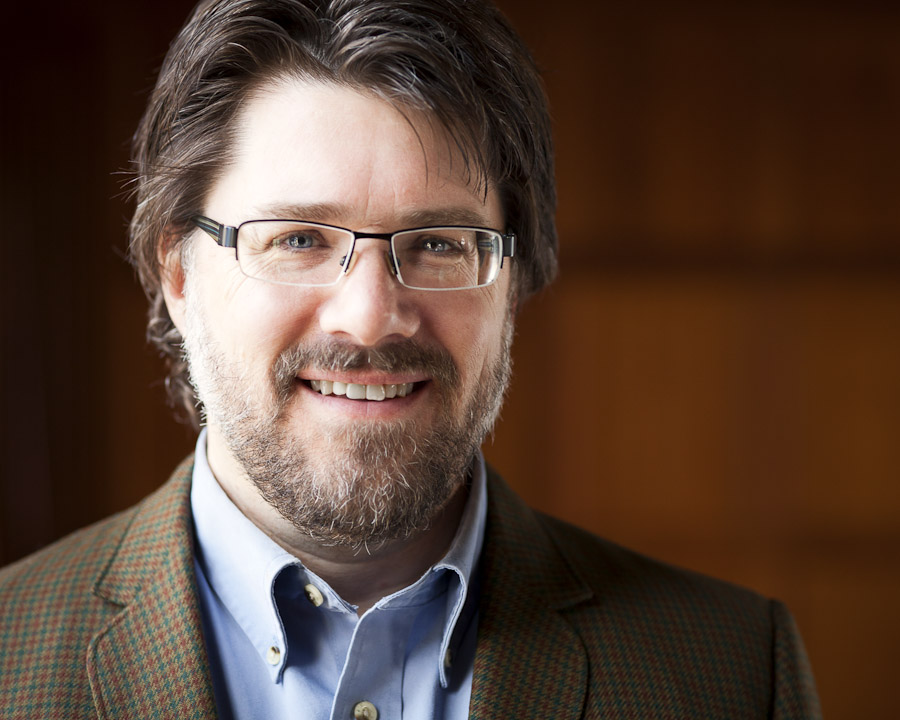
A conversation with Vulnerable Communion: A Theology of Disability and Hospitality, author Tom Reynolds
Bio:
Tom joined the Emmanuel College (part of the University of Toronto) faculty in 2007. He is committed to an interdisciplinary, practical, and relational vision of theology, and his teaching and research address a range of topics related to constructive theology (particularly the doctrine of God and theological anthropology), theological method, intercultural and interfaith engagements, contextual theologies and globalization, philosophical theology, disability studies, and the thought and influence of Friedrich Schleiermacher.
Tom on Theodicy – The question of why does God allow suffering and how should we think about suffering.
1:00
How would Tom, as a theologian answer the question, “Why would a sovereign God allow a person to be born disabled and encounter such suffering?”
2:20
The Why questions and the answers are messy, ongoing, and evolving. These answers are limited and open to ongoing revision.
3:00
Reframing needed. Question the question and its suppositions about seeing suffering first and foremost as the issue.
3:40
If we are pitying a disabled person and seeing them how we would interpret suffering, we might be off base.
4:10
Exclusion as suffering. Social suffering is something we can alleviate as the church or community.
4:40
Tom on the central questions of Theodicy.
5:30
What would a good world be? Interdependent and that holds up the preciousness and fragility of life and human experience as valuable. Good things can be fragile things.
6:30
Does God cause suffering and determine it? Maybe it’s (all) unfolding for us in mysterious ways.
Who sinned? (disciples of Jesus thinking of blindness as a curse)
So the glory of God can be revealed. (What might that mean that we haven’t understood yet. [Lisa])
The story is less about curing the disabled and more about reveal Jesus’ power and legitimacy as the Messiah.
9:20
NT Wright author of Evil and the Justice of God
(on the Problem of Evil)
• God as the Incarnation steps into human suffering as a means to assuage it and also, in that, provides us a model for how to encounter it in the world ourselves, practically speaking.
The answers to suffering can become “incarnational”, not cerebral and (held) at a distance.
12:00
The why questions signal a (good) unsettledness which can be productive…
12:20
1. God is bigger than our questions and we should feel free to engage in dialogue with God and each other about God.
2. And because it calls us to live into the world and the lives of people will engage who ask, “Where are you?” and we can be there in presence and not (just) with answers.
13:00
“being-with”
(The heart of Incarnational living.)
13:30
In many cases God’s own presence is us to each other.
14:00
“Care isn’t so much “doing for” but “being with”.”
15:00
1 in 5 families regularly encounters a serious disability of some kind.
15:30
We (as a family) chose to continue to come to church even though it was sometimes messy so he (and everyone) could figure out how to make it work. (Lisa)
16:00
How can people in Christian Communities or leaders in Christian communities do better when it comes to being truly hospitable and caring well for people with disabilities.
17:00
Training ministers to come along side is important.
17:30
In his mission and intro to Theology class, what is framed is practical wisdom lived out in relationships of caring regard with other people. (not in the academic halls or in isolation).
18:00
On developing the perception to see/understand differently and to see places where people have been harmed by certain ways of seeing these…like the healing narratives…illness as curses from God, or metaphors of seeing and hearing language and attitudes (able-ism) for example.
18:50
How to show consideration:
Asking before you assist someone. Or asking how you can best help and not presuming that you know (or know better).
Listen first, then do.
19:30
Ministry doesn’t have to be deficit-focused to the “needy”…but rather possibility focused.
As all people of resources and gifts [are] welcome among the community…this turns things upside-down.
20:30
Think of people as sites of wisdom that help a community of belonging.
Members having the same care for one another. All can care and contribute.
Living out the image of God with shared affinity.
22:00
Transformative and vulnerable communion within our communities…being together.
23:20
[There is] dignity in participation. (Lisa)
Allowing people to serve along side means that we are equal.
25:40
Equality isn’t sameness. Difference doesn’t mean a hierarchy.
27:40
(Tom) Music is my therapeutic other life.
A Call for Help!
Will you help me meet my goal of raising $1,000.00 in August to keep Spark My Muse going? Use the Donate button on the left sidebar. Thank you for listening!
Shownotes: PART I
A conversation (in 2 parts) with
the author of Vulnerable Communion: A Theology of Disability and Hospitality, by practical theologian Tom Reynolds
Bio:
Tom joined the Emmanuel College (part of the University of Toronto) faculty in 2007. He is committed to an interdisciplinary, practical, and relational vision of theology, his teaching and research address a range of topics related to constructive theology (particularly the doctrine of God and theological anthropology), theological method, intercultural and interfaith engagements, contextual theologies and globalization, philosophical theology, disability studies, and the thought and influence of Friedrich Schleiermacher.
Incorporating the theology of disability into his work training pastors at Emmanuel Seminary, because theology is personal, and not disconnected from the real world concerns of the church and people living their lives.
4:30
About his son Chris sparking his interest and work in the theology of disability.
5:30 Learning that disability isn’t a problem to figure out, but rather it’s about a person who I love and live with, and care with and for, which radically reoriented my perspective on theology.
5:50
Disability and God’s Providence
(Questioning does God “cause” disability as a curse or opportunity for healing…or a kind of moral lesson…)
6:30
His son exploded the theological categories (and assumptions) pertain to Providence…making everything confusing and needing to be re-thought.
7:00
What is abnormal? What is “faulty” humanity?
Amos Yong, Hans Reinders, John Swinton writing on the topic too.
8:15
Tom details the new book on the Theology of Care which builds on the first book.
8:40
Some churches stress Cure over Care in terms of disability.
8:50
(Lisa) My visit to a church where the leadership was interested in healing my son from his non normative experience of the world.
10:00
The range of responses churches have when encountering people with disabilities.
The church’s “urge to cure” is better than outright exclusion, which plenty of families have encountered.
11:00
It comes from the the idea of remaking and fixing someone in a way that is more comfortable for non disable people and normalcy (what they consider normal). Not helpful or Christian.
12:00
About the church that didn’t want his son as a disruption and a church that did receive them.
13:00
“How can we help you?” was water for his parched soul. How the church accepted and welcomed the uniqueness of his son.
14:15
Hospitality vs. a narrow view of what is preferred.
15:00
The messiness of various kinds of people, in general, means we have to expand our view of grace.
15:30
Who gets to be a full-fledge member of the church community?
and the “mascot syndrome” for those with disabilities.
16:30 – 17:50
Levels and types of responses:
• Tolerate disabled, but they do not get to be a true part of the church.
• “Inclusion” sometimes means means the the “outsiders” get invites to the inside group based on the good graces of the in group, but are still treated as problems to be solved, or people that are to receive the gestures of charity from others (people for whom things are “done for (them”)”. Doing for instead of “being with”.
18:00
What is access? In is not just accommodations (i.e. ramps and special bathrooms) and alterations but ongoing…
Faith communities may be not expecting and not ready to receive those with disabilities.
18:30
It’s not an issue about outsiders, because disability extend to a broad range of issues, both visible and not visible, including mental health challenges that are already there.
18:50
Thinking of the word “BELONGING”
as in “to be longed for when you aren’t there in the fullest sense.”
John Swinton and belonging
19:40
Jean Vanier “In giving and receiving do we really thrive as people”
20:30
Unconscious bias that includes “fear of the stranger” and “fear of the stranger within”.
21:00
We fear weakness and vulnerability.
21:30
Before “mainstream”…the stigma of “retard”…and fearing and disposing weakness.
22:20
Nathan means gift. (Lisa) I learned that I had to recognize weaknesses (shortcomings) in myself the I saw reflected in my son…and communities can do the same type of thing unconsciously.
23:00
“The encounter with disability punctures the illusions of what we think of as our own strengths.”
23:50
The journey with a child with disabilities is isolating.
25:30
Societal epidemic that fears being vulnerable or perceived as weak or unable to perform in ways that are considered valuable by society.
26:00
We have to see what are myths about autonomy, independence, and productivity where are assume we are self-reliant and these qualities are prized so highly. “Able-ism” (The idea that being able in body and mind is normal and most vital which serves as the lens by which we see and judge the world and others outside those parameters as faulty.)
27:00
Tom’s latest work called “A spirituality of attentiveness”. Christianity: St Paul’s strength in weakness serves as a prophetic witness against a society that prizes the strong as the main thing of value. 1 Corinthinians pretense of strength undercuts our ideas of grace)
29:20
We are all only temporarily-abled. (Lisa).
31:00
On hearing “You must be so blessed to have a disabled person as a teacher.” Is this sometimes a reframing of the situation that spins the situation to be more palatable? A glossing with spiritual truths and making it about spiritual growth.
31:20
Instead, Chris’s life seeks its own flourishes, and he may at times function as a teacher.
33:00
Thoughts on intellectual ability (or inability) and belief in terms of Salvation.
God’s works God’s own path in different ways and in different capacities with people. This undercuts my arrogance (as a theologian), so I don’t think I can so easily map it out definitively and universal for all people in all places.
34:00
His son’s atheism (who is the God he doesn’t believe in)…and how that challenges our presuppositions about God.
34:50
“It is in the kind of relationships of mutual belonging that the full image of God is borne out.”
35:30
(Lisa) To my son I said, “when you see someone who is loving you, you are seeing God.”
(Lisa) On how I changed from thinking “right belief” as the way to understand God was central. Our intellectualizing what God has done is not salvific.
38:00
Martin Luther’s theology of the Cross:
The pretense that we know exactly where God is and how God works. Where God is most hidden is where God is most vividly revealed in saving ways.
38:30
“Who I am to declare that God’s grace only works in some ways? and the God’s capacity and God’s own mystery is limited to what I would deem and my community would deem adequate.”
39:30
What the practical theology of disability tells us about Grace with God and relationships with others.
40:00
“The longer I live and work as a theologian the more I realize the limitations of theology and the true infinite mysteries of God.”
Jesus was disruptive to religious pretense and suppositions. “You say this..but I say this…”
Theodicy – The question of why does God allow suffering and how should we think about suffering.
How Tom, as a theologian, answers the question,
“Why would a sovereign God allow a person to be born disable and encounter such suffering?” (This is great!)
The best is yet to come! Come back for part II next week.
Will you help me meet my goal of raising $100.00 in August to keep Spark My Muse going? Use the Donate button on the left sidebar. Thank you for being a big ball of love!
As I’ve studied transformation and purpose I’ve noticed there seems to be something slippery about it. Sometimes we can feel derailed or question our purpose. It’s rather ordinary, in fact.
The famous people in the Bible went though times of doubt and I’m glad those ancient accounts are included because it helps to know that the human condition is rife with slumps, bumps, murky waters, aimless wilderness periods, and questions about what we should be doing on this “Big Blue Marble”.
We tend to see these periods of purposelessness or doubt as problems instead of as part of the journey.
The WISP technique is something I came up with to keep me on track.
I find that keeping a notebook of the process makes it much simpler.
Did you do your homework?
Make sure you do it before you encounter the next step, okay?
STEP 2
“I”
Inquiry
General inquiry is not what the “I” in WISP is about.
This step of the process helps to loosen our firm grip on seeing and directing our lives as usual.
This type of inquiry:
is one of faith
leaves some open-end questions up in the air, for now
digs down deeper into underlying blocks and fears
taps into a greater understanding of human purpose and how to get there
For this step, you get your handy-dandy notebook out and start by making a list of all the questions you have on your mind right now. What’s bothering you?
Write. It. Down.
There may be many questions. Just get started. Write as much as you can for about 10 minutes.
As you write them out you will find that categories or patterns emerge. If you don’t, let the questions sit and add more in a day or so. Then, look again. If you still don’t see patterns, ask for help from someone you trust.
Examples of possible inquiry/question patterns:
What can I do that I love that will provide enough money right now?
What have I enjoyed doing the most and what happened during those times?
What will it take to get prepared for the next leg and how will I pay for it?
What caused my last failure and how could I have prepared better?
What is bothering me about Mr [So & so]’s success?
Do you see the pattern that started to emerge here?
It’s Money.
Fear of failure andjealousy are cropping up too. All good to see.
When we put down our burning questions our fears will be revealed.
Our fears cloud the way to finding our purpose, but…
“The remarkable thing is that our fears themselves are not the obstacles but the vehicles that lead to finding and fulfilling our purpose.” -LD
Example:
Josie finds it hard to find her purpose. She’s been unhappy at her job and wants to make a bigger difference in the world.
Through inquiry she locates the root of her fears, and realizes that her compassion for the intellectually disabled is because of her own story.
She always felt stupid in school. A learning disability made it hard for her to read in first grade. Eventually, she did well in school, but the fear of not being smart enough still distracts her and clouds the pursuits of her greater purpose.
Josie’s purpose lies in working closely with this population.
Upon realizing this, Josie sets out with new verve to get experience and the additional skills needed to find other more meaningful work and accomplish her greater purpose. She creates goals to get there.
Goals are measurable. Wishes are not.
During a period of inquiry we may inquire of God and others we trust, too, but we have to do our hard work ourselves, and not cop out.
If we ask questions of them, we have to be prepared to both listen without judgment and superimposing our wishes and agenda (for the time being), but also we need remove the weeds from all that we are hearing get to the best and most useful parts for the next step. No ACTION is required, just honest inquiry, awareness, and digging around.
In this stage, answering all the questions isn’t as important as having the guts to ask them honestly.
The next step is “S”.
(scroll down)
Sometimes just doing the first two steps will create a breakthrough. You may have found your purpose already. If that happened, I encourage you to see the whole method through regardless. If you find yourself closer to understanding your purpose right now, that’s great, but you’ll be surprised by the next two Steps, and you shouldn’t miss out on them.
HOMEWORK:
Make your inquiry list.
You don’t have to answers the questions yet, just put them out there.
Let them percolate for a few days and then return to them.
Nathan is weird. Embrace it! (Pssssst. You’re weird too.)
I’m taking a Theology of Disabilities course right now. I have to admit that some baggage that I didn’t realize I was carrying has gotten heavy. I’m putting it down, starting now. The truth is, I realize I have felt disappointed by the church, and by my church. I’m hurt that the church has failed so badly in helping the disabled (specifically my disabled child) feel like they really belong. It’s not just about allowing the disabled to be there near us, it’s about really knowing them, and really appreciating who they are, because God made them, and they are valuable.
Ya see, times have changed. When I grew up in the 1980s, we’d all make fun of kids that “rode the short bus”…maybe not to their face, but imitating “Tards” was something I excelled at. I was hilarious. I was the disabled one, if we’re telling the truth here. I was spiritually retarded. God gave me a precious gift in my son to show me God’s true heart. To show me my true humanity. The disabled personify the weakness we avoid. Nathan helps me get over my human/secular and foolish ideas about what it means to belong and be successful in God’s worldview.
Here’s the other cool thing. God gave me Nathan to share with you, too!
I think, my generation still fears the disabled. I doubt many will dare admit it. (It’s not politically correct, and we can’t look like uncaring jerks, right?) To most of us, the disabled are still a stigmatized and strange group; and we don’t know what to do with them…we don’t know what to do around them…we aren’t sure what they need. It’s all quite uncomfortable. Gosh, we are so glad we are not them. And we’re afraid. Afraid of the unknown and the unfamiliar, and the “other”.
Here’s the surprising twist. Our (non disabled) kids don’t have the same mentality. They don’t. Over the last 10-20 years, those with disabilities haven’t been sent away to special schools. They have been included, or in far closer proximity to typically developing children. The secular, public schools have outdone, and surpassed the church in this area of grace. They have honored and accepted disabled kids more than the church.
Please. Read those 2 previous sentences again…Slowly. Okay, never mind. I’ll just state it again: They (secular institutions and those who are a part of them) have honored and accepted disabled kids more than the church has.
(Yes. You should feel convicted right now. Even crying wouldn’t be over-the-top.)
As a Parent:
As the mom of a disabled child, I find that typically developing children, with just the a little bit of prompting or advice, adjust very well to interacting with my son, as if he’s a real human being who desires friendship. They even enjoy him! (It’s not just charity. It’s reciprocal friendship. It’s the kind of relating where everyone wins.)
On the other hand, I find that it is the parents of these (non disabled) children who are fearful, and unwilling to engage with my son, beyond the superficial. They are fearful enough to not help their child build friendships, or regularly interact with a disabled peer, or near-peer. They don’t create an easy opportunity for their child to grow, learn and become more compassionate. They don’t make it priority. As a child’s primary guide, this is a gross failure.
Church: But this is different at church, right? It’s a place of acceptance, and hospitality, and belonging, right? God’s love is shown in tangible ways, right? WRONG. My son has more meaningful relationships and friendships, and more grace shown to him with non Christians, in secular (even godless) environments, and with neighborhood children. (See, the government schools have been telling these kids that atypical kids were worth interacting with.)
KIDS @ PLAY
Once upon a time, I bemoaned to a woman at church the fact that Nathan had no friends at church, no meaningful interactions with any church children, no invitations extended to him to play with them, go to their birthday parties, or even watch a movie together (even after we had make a lot of efforts to create those situations and occasions). Her reply, “Well, I can’t force my kids to play with certain kids, and to like certain friends.”
I listened to her statement, and I didn’t really know what to say. This mom was prominent in the church. I didn’t challenge it. Upon reflection, I should have said, “LIKE HELL YOU CAN’T!”
As parents, we do it all the time. We curb or we encourage friendships for our kids regularly. Do we let our kids hang out with teenagers on the corner who are smoking? Uh, no. Does a naughty and petulant child get to sleep over? No. What about the children who bite, hit, or cuss? Do they get to make cookies in our kitchen with us? Nope. We influence our kids all the time. The fact is fear stops our hospitality. We stick with our comfort level, and pick our favorites.
I’m here to tell you that God has given us these different sounding and acting people as gifts, to teach us so much, but we don’t choose to interact, learn and be gracious.
“But I can’t find a disabled kid… What am I supposed to do?”
Well, try harder. Open your eyes. Ask around. Do you want the truth? The facts? Here they are: Do you live near 5 other homes? If you walk down your street, and pass 5 homes, 1 of those homes will be effected by disability. 1/5 of families are effected by disability everyday.
Do you know more than 6 children? If you know 6 children, 1 of them is likely to have a form of autism, or developmental issue.
Sometimes, I hear this: “Is it my job? How can I be responsible for knowing other people’s needs. I’m just not in their shoes.”
Yes. It’s your job. A frequent reason (or cop out) is saying that the parents of disabled children should just say what they need, and make the efforts to get their kids included. BULL CRAP!
Just thinking up a list of wants and needs would sound exhausting to a parent of a disabled child. Some days, they are just trying to make it through the day without losing their minds. Over 85% percent of marriages don’t survive when a child has a disability. It’s tougher than you think it is.
Listen. These parents have enough to deal with. Wake up! They have enough to do than to also make sure typical children are accepting and relating to their disabled kid/s. Mostly, they are tired. It doesn’t feel worth the effort. Failure seems sure. They are surrounded by frequent disappointments, the broken dream of not having a normal kid, and lots of scheduling issues and therapeutic measures in school, community, and other locations that help their kid or their family. They don’t have enough energy to get people on board with that type of stuff on top of everything else. (Ask them what a typical week is like, go ahead.)
YOUTH GROUP
My son went from being very excited to be old enough to be included in the middle school Sunday School section (See, in 5th grade…you get to sit on cozy couches!!) to now, about a year later, in 6th grade, detesting Sunday School, feeling like an outcast (even more than he had before), and now he doesn’t even believe in God. He says, “God is an unbelievable story.” It must seem like a fairy tell because he doesn’t see the love of God displayed toward him.
Based on the way many Christians behave toward him, he has an excellent point.
Like plenty of other children with autism or developmental disabilities (BTW…”developmental disabilities ” is nicest term for “retards” or the “mentally retarded”), Nathan doesn’t get abstract ideas like, “Is Jesus in your heart?” (He hears, “Is a bearded man in your chest cavity?” Utter nonsense!)
Nathan can’t see or touch Jesus; we have to be Jesus for him. He has to experience love-in-action, benefit from it, and be allowed to return this love as an equal. I don’t know if it’s too late for my church to be hospitable in the way that he’ll to want to be a part of it. I will keep that hope. I’m writing this now to start a change in how we respond and interact, so other kids with disabilities can feel like they belong, and are loved and accepted.
TIPS to get you started (for kids and adults) • Interaction doesn’t have to be hours of incredibly awesome friendship per day or week. A blood brother bond is not necessary. But, the interaction should be authentic, not out of duty or pity. Something simple like making something for them, sharing something, or just chatting pleasantly with them is plenty for starters.
• Asking about their interests (direct questions are best, maybe even just asking “yes or no” questions, at first), and then actually listening to them (even when you may not always understand them or know what to say) is helpful. They WILL understand when you care about them. Just take a bit of time to be gracious. It’ll do you good.
• Inviting them over for a snack, to watch a movie, take a walk, ride bikes, play with your pet, or play videos games may be enjoyable for them, and of course invite the family if possible. Ask if you can visit them. Create times that are specially for them, even if they are brief periods. 30-45 minutes is fine. (But realize they will love you for it, and want to do it again soon. My son never seems to stop talking about the boy we invited over to play, about 2 months ago.)
• Offer them yourself. Nothing fancy. Invest in them for real, emotionally, and with some of your time and efforts. When you offer authentic friendship it looks different than just a saying or doing the “right thing”. You take a risk.)
• Help them make a craft, picture, or a simple snack, play a game, look at a book, build with legos, and take the time to talk to them, or just be close by and attentive, etc. and show them you like them.
• Offer the parents of disabled kids respite time. Give them an hour or two break, and get the help, information, and extra helpers you may need to care for the child. (Only 10% of churches do this. Change this statistic.)
• Be inviting. What’s the worst that could happen if you invite a family over to your house? Maybe the child will do something unpredictable, and you won’t know what to do? Maybe you will feel uncomfortable? Get Over it.
MOVING FORWARD:
Where and how have you seen the disabled as full-fledged participants in your community or ministry? (How was it done rightly?)
AND–
How can I help you? If you want to show kindness, or God’s love to a family of a disabled person, or to a disabled person, What are your questions or concerns?
What about including or interacting with the disabled would you like to know?
What are your fears? Share them.
Let’s get this ball rolling. No question is off limits. Your comments, or experiences can be shared as well.
Thanks for reading. Thanks for changing for the better. -Lisa