This is a REPLAY of a short live broadcast I did explaining my contention that secular arguments such as the 2 main ones by Jennifer Michael Hecht are sufficient anti-suicide arguments for Christians that can prevent suicidal behavior and additional deaths and pain consequential to those behaviors.
The “practical atheism” many Christians live out is another reason, but that is for a different podcast or live broadcast. That could be a can of worms that get me booted out of both camps…and maybe I’m fine with that.
The research shows that many people who take their lives do it not from a long, planned out event, but from an impulsive and desperate act done after a big setback, humiliation or disappointment (or string of them) that leaves them feeling hopeless. Depress can be a factor, but many people who are depressed do not kill themselves.
MAKE SURE YOU LISTEN to the EPISODE this periscope is REFERRING to with Jennifer Michael Hecht. Her work is important. HERE
SCROLL DOWN for much more about my guest and about this special episode.
If it is not already obvious, on Spark My Muse I feature people and topics I find interesting and important. I feature people from a variety of backgrounds and traditions: people of some kind of religious faith and people without belief in the supernatural are my guests. What they all have in common is that I think they are working on something worthy of attention and conversation. It doesn’t mean I agree or come to the same conclusions with every guest 100% but I appreciate them very much and I want to make space for them here and learn from them. It will spark my muse and yours.
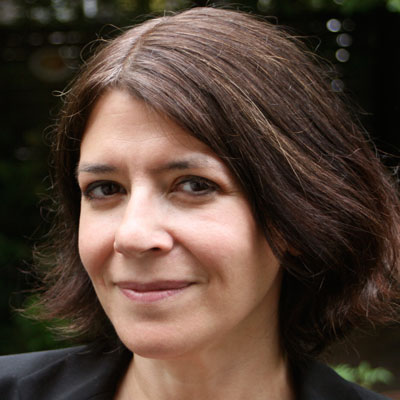
Currently, few people meet that standard more than my guest today: Jennifer Michael Hecht. What I have deeply appreciated about Jennifer Michael Hecht‘s work is her curiosity, investigative way of working and writing, her sense of wonder, and her wonderful and sense of humor that comes out perhaps most often in her poetry.
In our conversation we cover topics in some of her books, her background, and she even reads a poem (swoon), but the main topic covered is extremely important.
In fact, it’s a matter of life and death: Suicide. There are common myths about why people kill themselves and those myths create more deaths. No more.
If you feel the urge to end your life, don’t. Wait out your mood, please talk about what is bothering you, and seek help. Stay alive.
I too have had time of deep darkness and thoughts of taking my life have gone through my mind. I haven’t planned how to carry it all out because the finality scares me and the thought of putting my loved ones through hardship hurts me.
The statistics tell us that having these thoughts are normal, just as any other type of thoughts. Our thoughts our not our identity. They are things our brain does to try to solve problems. Sometimes our brain should not be listened to. We must not listen to any murderous thoughts either, right? (Like the ones we have during road rage moments or when we feel like we want to strangle our child when they sass us or boldface lie.) Our meat-like brains might think bad things. So, if a thought of taking your life is happening now, or ever. Please stay. Don’t be rash. Hang on. AND Thank you for making a choice to stay on.
The best thing we can do during those dark and bad times is to wait it out and support others doing the same. We can also talk to someone to sort things through. If you feel like you are in a desperate mood, try your best to stay until you feel better. Jennifer says it and I concur, your future self will be happy you did. Others WILL be happy you did.
Don’t do anything you can’t undo. First Call 1-800-273-TALK (8255)
To share an audio snippet, click on the red and white icon below.
Thank you for listening. This is a very important episode and I urge you to pass it along to as many people as you can for when a very desperate mood may strike them.
Scroll down for notes of the show listed by-the-minute. More resources are at the bottom.
GUEST: Jennifer Michael Hecht
BIO
Jennifer Michael Hecht is a poet, philosopher, historian and commentator. She is the author of the bestseller Doubt: A History, a history of religious and philosophical doubt all over the world, throughout history. Her new book is Stay: A History of Suicide and the Philosophies Against It, out from Yale University Press. Her The Happiness Myth brings a historical eye to modern wisdom about how to lead a good life. Hecht’s The End of the Soul: Scientific Modernity, Atheism, and Anthropologywon Phi Beta Kappa’s 2004 Ralph Waldo Emerson Award “For scholarly studies that contribute significantly to interpretations of the intellectual and cultural condition of humanity.”
Publisher’s Weekly called her poetry book, Funny, “One of the most original and entertaining books of the year.” Her first book of poetry, The Next Ancient World, won three national awards, including the Poetry Society of America’s First Book award for 2001. Her new poetry book called Who Said, just came out from Copper Canyon in November 2013. Hecht has written for Politico, The New YorkTimes, The Washington Post, The Boston Globe, The Philadelphia Inquirerand The New Yorker. She holds a Ph.D. in the history of science/European cultural history from Columbia University (1995) and has taught in the MFA program at Columbia University and the New School in New York City.
SHOWNOTES
MIN 2:00
Her first love: poetry.
min 3:30
PhD at Columbia in the History of Science
5:00
The hard sciences in her roots influencing her educational pursuits.
6:30
How she came to write the book Doubt: A History
The End of the Soul (her dissertation)
The Society of Mutual Autopsy
Brain dissections (Paris) done to prove the soul did not exist.
The members of this group left records of their atheism and she decided that there was not a good record of atheism and the tradition of it.
15:00
Disbelief is “a kind of atheism”. The splits and religions that come about as people question the prominent god or gods and religion of the time.
16:30
The people throughout history who reject the supernatural and accept only the natural world.
17:30
The mixing of cultural and religions in our times and the current idea of spirituality that you can contact the supernatural inside yourself.
19:00 The secular argument against suicide.
Ages 15-44 3rd leading killer of Americans
Ages 44 and up is the 10th leading killer. It happens in greater number among the older population.
In 2000, 30,00 people per year.
In 2010, 40,00 people per year killed themselves and raising.
There seem to be trends like in other social trends like drug use, and the trend rises when people feel it’s a solution others like them are choosing.
23:00 The Christians who leave suicide notes and say that they think that God will understand (and forgive them.) need to hear the reason why to stay.
The TWO MAIN ARGUMENTS in the book STAY:
Suicide harms community
People close to you, that you may never wish to harm to be harm irreparably (especially children who are 4 times more likely to also commit suicide if their parent does, depending on how old they are).
Neighborhoods, schools, families, groups, communities have increased suicide and trauma statistically after a suicide occurs.
Suicide hurts your future self
28:00
People don’t realize how common it is to have a sudden (fleeting) thought that it might be better if they weren’t lying any longer when things are going badly. It’s a mood. Some people act in the worst way about a bad mood.
95% of people who try suicide, if they live, will never try it again.
29:30
Having faith in your future self.
30:30 This is a worldwide problem. 1 million per year. Up 60% worldwide.
32:00
Suicide is more impulsive and is more impulsive than we’ve realized.
Shame has something to do with suicide. People had suffered a humiliation in romanic, at work, or in some other way.
34:30
Knowing ahead of time to be on guard against the perils of impetuous thinking about suicide.
“Don’t let your worst mood murder all your others. The other moods don’t want to do that.”
“Depression happens to you. Not suicide. Suicide is a behavior.”
36:30
Pain can be a helpful teacher. We are stuck with it and it seems to help us grow.
39:00
On Robin Williams’ suicide.
41:00
The executive function and planning portion of the adolescence brain is not finished until age 25. There are many reasons to wait and see that things get better as your future self.
45:00
Looking for the warning signs in ourselves and stay for ourselves and others. You don’t get to choose who suffers.
50:00
The Wonder Paradox (her new book she’s working on)
About poetry and wonder
The people who do not affiliate with any religion. What rituals do and what people use for marriages or funerals, etc. What Poetry can provide for that.
“American religions have offered meaning and an afterlife, yet millions of Confucians and 5,000 years of Egyptians didn’t believe in an afterlife.”
55:00
“Meaning always came from culture and community.”
56:00
Keats’ tuberculosis poem
57:00
On the universe and vastness of creation and our consciousness.
59:00
“We are the universe seeing itself and marveling.”
1:01
On the darkness and struggle.
1:05
Jennifer reads her poem:
History
Even Eve, the only soul in all of time
to never have to wait for love,
must have leaned some sleepless nights
alone against the garden wall
and wailed, cold, stupefied, and wild
and wished to trade-in all of Eden
to have but been a child.
In fact, I gather that is why she leapt and fell from grace, that she might have a story of herself to tell in some other place.
Plus another poem
As promised, I’m including another of Jennifer’s poems in the shownotes. Below you can click to heard it read aloud and that enhances the experience.
Funny Strange
We are tender and our lives are sweet
and they are already over and we are visiting them in some kind of endless reprieve from oblivion, we are walking around in them and after we shatter with love for everything we settle in.
Thou tiger on television chowing, thou very fact of dreams, thou majestical roof fretted with golden fire. Thou wisdom of the inner parts. Thou tintinnabulation.
Is it not sweet to hand over the ocean’s harvest in a single wave of fish? To bounce a vineyard of grapes from one’s apron and into the mouth of the crowd? To scoop up bread and offer up one’s armful to the throng? Let us live as if we were still among
the living, let our days be patterned after theirs. Is it not marvelous to be forgetful?
Click to hear this poem read aloud–it’s marvelous that way. It was downloaded from the Poetry Foundation. Visit it and read some of her other poems here and visit her page at the Poetry Foundation HERE.
• If you enjoyed this, you will like maybe to hear my personal story in audio I created about six months later:
• In October 2016, I had Ryan J. Bell as a guest, who is a mutual friend. You will also enjoy our conversation that includes a very interesting JMH “girl crush” tangent. Enjoy!
Hear recent episodes of the podcast.
Thank you for reading the shownotes and listening to Spark My Muse.
• After sticking with it this far, you would probably like the newsletter. You have pluck.
You’re just a few click away from getting some Update Newsletter goodness sent to you 2-3 times per month with announcements, links, and extras.
If you feel drawn to give to this show to help out…
You can Sponsor the show by clicking here to contact me.
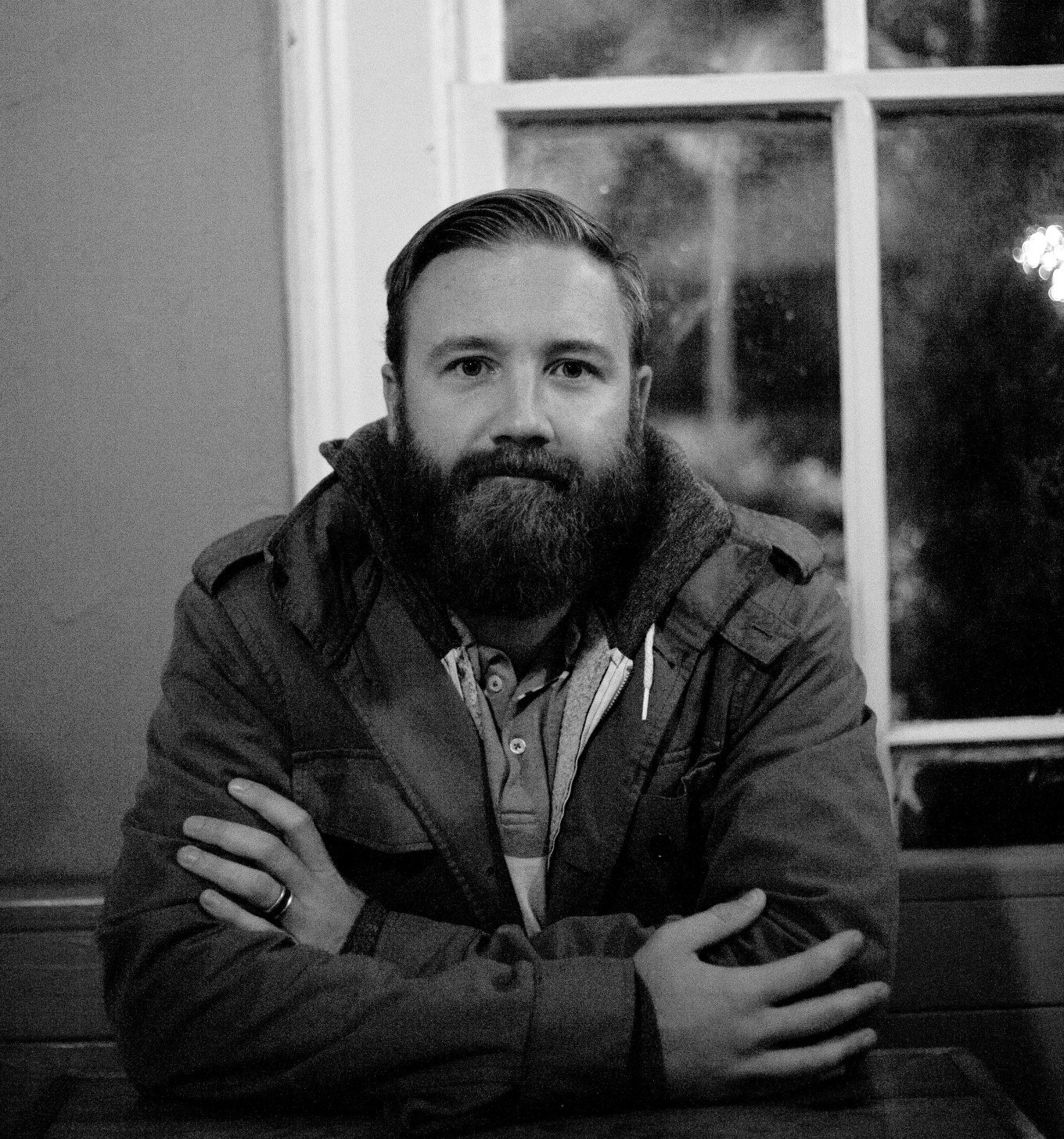
Today’s guest has had his own podcast for more than three years. In that time, Shane Blackshear has interviewed some legendary authors, thinkers, and even a “heretic” or two on is podcast Seminary Dropout, I wanted talk to the man behind the beard. It turned out he didn’t even have a beard when we spoke. Imagine my shock.
I’ll be partnering with Shane in 2016 for more fun and surprises so stay tuned!!!
Lyrics: Climb, climb up sunshine mountain
Heavenly breezes blow;
Climb, climb up sunshine mountain
Faces all aglow.
Turn, turn from sin and doubting,
Look to God on high,
Climb, climb up sunshine mountain
You and I.
Ashamed of my sadness (Lisa)
34:15
What’s happening soon on Seminary Dropout
The guest host: Grace Sandra.
36:00
Using Blab the LIVE event platform for podcasters party.
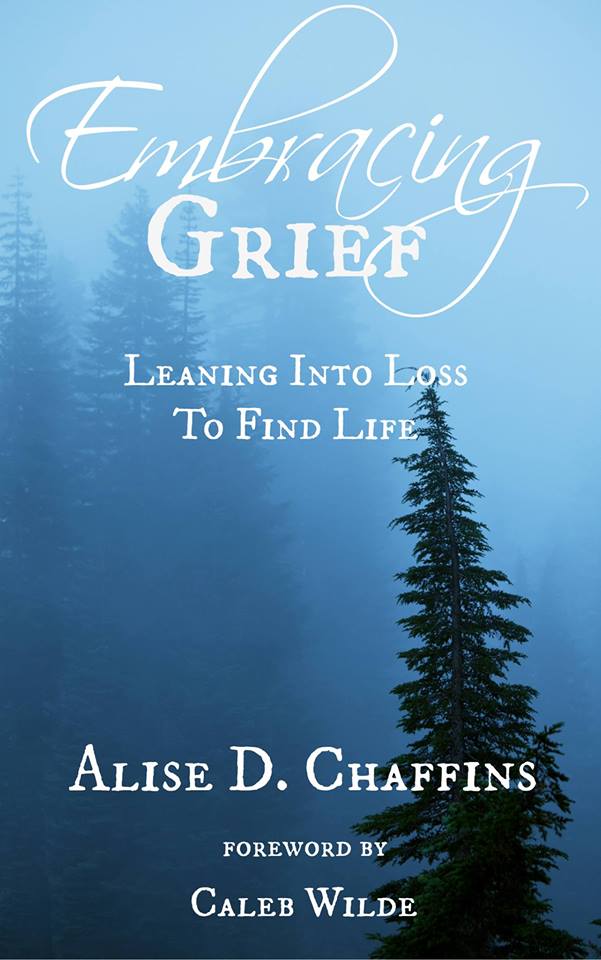
Today’s guest is a blogger, author, musician and a woman who suffered a string of terrible events and decided to tackle the topic of grief to help others through the process.
If you’ve suffered a loss or know someone who’s grieving, this book will bring some needed comfort and give you helpful information to help better. Alise and I have an important conversation today. Please scroll down to the shownotes to access the important links mentioned in the show.
Min 2:00
What is a good first step when someone is suffering?
MIN 3:00
“I’m sorry you’re going through this.”
Saying less is more.
Really listen to the language the person is using and echo it back to them and not the language that is comfortable for (you).
MIN 5:20
Using faith or heaven language might not be welcome.
MIN 9:30
About the string of suffering and trauma that brought grief to Alise and how she needed to get better through therapy and medication.
MIN 14:00
Medication during grief to process properly.
MIN 17:00
Isolation in grief. The paradox of uniqueness and universality of grief.
MIN 20:00
How we can share our grief with memories or with others in some way.
MIN 21:20 Grief Share organization and places to develop new rituals and finding community of other bereaved.
MIN 23:00
“Grief helps us find our humanity.”
Grief pulls us together. It’s the event that strips us of our humanity.
MIN 25:00
Attaching morality onto emotion is doing ourselves a disservice because it doesn’t allow us to feel what we feel. The actions beyond those feelings can be moral or immoral.
MIN 26:00
Grief and separation anxiety:
Grief is the (normal) human emotional response to loss. It is a common part of human experience and may produce growth. We can lose people, places, objects, relationships, and even ideas. Some losses may not be actual, but anticipated, or a perceived loss. (25) Acute grief looks remarkably similar to a classic anxiety attack (same physical symptoms). It is similar to the feelings felt in fear. In grief one fears the loss of self through separation, and experiences separation anxiety. (28)
It is a function of attachment. It can be understood also as our emotions catching up with our reality. (38) The more we can love the more we can grieve. Our abnormal attachments show up (caused by an improper process of grieving) as permanent emotional detachment or heightened attachment. (30)
R. Scott Sullender, “Grief and Growth: Pastoral Resources for Emotional and Spiritual Growth” Paulist Press, 1985.
MIN 28:30
Stages of grief like a water cycle and forgiveness and grace.
MIN 31:30
Extending forgiveness during grief and the risk and humility needed.
MIN 32:15
Healing and time and doing our part and letting go once we’ve done what we can.
MIN 33:15
A mustard seed of faith that the story isn’t over yet. Reconciliation can mean we put our weapons down and that’s restoration too.
MIN 34:15
Recognizing progress.
MIN 35:00
Being more aware of grief in others so that you can have more grace during trying circumstances.
Thank you for listening! If you enjoyed the show please leave a review that will be helpful to would-be listeners on iTunes and don’t forget to sign up for the newsletter!
Broadcasting pro, Lori Neff is back, as promised, and this time we have a great conversation spanning a few interesting topics and we have plenty of fun and laughter along the way too.
Visit Lori’s website HERE and make sure to listen to her new podcast that offers a variety of prayer exercises that can breathe fresh life into your devotional practice!
What was the biggest fiasco at Midday connection?
Why is just a 5 year window the ideal beauty apex for women we’ve agreed to anyway?
Will powdered wigs make a comeback?
Lori’s tale of the cringe-worthy “friend-date” gone wrong…
What makes a great friend and what might an improv class have to do with it?
MIN 6
Do people often try to trick the call in shows?
MIN 8:30
The stickiness of the one mean person in a sea of good folks.
Hate mail
MIN 11
Ellen DeGeneres is okay with herself and it’s served as an inspiration for being okay with people who don’t like us.
MIN 14
Being okay in your own skin. The 40 year old happy milestone.
MIN 15
Anne Lamott thinking about her looks.
MIN 16
Going through the body-consciousness and anxiety in one’s 20s.
MIN 17
I’m supposed to be upset about how I look so they can sell products.
MIN 17:30
Michelle Van Loon
The five years of life that is cherished as valuable.
MIN 18:30
Powdered wigs and white faces to reflect the value of aged beauty of the time. The construct of cultural beauty changes radically.
MIN 19:30
Dress hem lines changed because of health concerns.
MIN 21:00
Fashion, modesty and mindlessness.
MIN 23:30
Friendship was solace and rescue for me (Lisa).
MIN 25:30
Lori’s experience with friendships early on.
MIN 26:30
How personality played a part and how her wonderful college roommate taught her how to be a good friend and have a healthy fight / disagreement.
MIN 28:00
People would commonly ask “How do I find friends?”
“I feel disconnected and I don’t feel I have a best friend” was a common report from listeners who contacted Midday Connection.
MIN 28:30
Being intentional about finding and keeping friends.
MIN 29:30
Friends for a season.
MIN 30:00
The tale of a bad “friend date”.
Friendship is a vulnerable risk. The emotional risk is there.
MIN 34:00
The challenge of couple friendships.
MIN 37:30
How men and women do friendship differently and how personality plays a part.
MIN 38:00
Having a club or a project to build the friendship around.
MIN 39:30
How Lori got into Improv and starting having a blast.
The tools that improv brings.
MIN 42:00
Amy Pohler “Yes, Please”
NPR show improv.
“yes, and”
Learning to be with others. Life-giving. learning love and empathy
MIN 43:00
I see you and here’s something else. I’m not invalidating you. and I’m going to add to it and then you can add to it. A socially healthy mode of being.
Being authentic and flexible.
MIN 44:00
Teamwork and sometimes it goes a direction you didn’t think it would go. You have to let the spark go and help the other person and the team.
MIN 45:30
Ego crushing?
MIN 46:00
Do things ever get messy?
Trust in the team and trust that the good idea with come back around.
MIN 46:30
The hilarious Office episode with Michael Scott being bad at improv. (Season 2 / Episode 9)
MIN 48:00
Going with the process and not be tense about life and improv of regular life.
the fear block our creativity and the ability to be present in the ordinary moment
MIN 50:30
The improv mindset will help in friendship.
MIN 51:00
Thinking of things as play and roll with things.
MIN 53:00
My new book is here. I’ll be reading some excerpts from it on the podcast soon, so watch for a bonus episode very in a day or so.
It’s called FORKED: A Discernment Pocket Guide (for Choosing Between Two Good Things).
If you’re in the middle of a tough decision or at a crossroads season of your life, this is the resource for you. To read a sample click HERE.