Resources, Guidance, Products, and Services for personal growth, spiritual formation, and community connection
Category: Spirituality
Topics pertain in some way to the unseen realm of Reality, the inner world, or the Divine, most often in a Christian and ecumenical context with the assumption that all people are in reality, beings with and of spirit.
Yesterday, I felt a leading to not do the regular stuff of my day.
Usually, I “tend” my blog, I water my facebook connections, I weed my emails, I fertilize my social media outlets. Not yesterday. I heard a still small voice say. “Don’t do it today.”
This seemed silly…. and counter-productive, counter-intuitive, and just plain “not what I wanted.” I dug in my heels a bit. I balked. I sighed just a little–kind of like a whine. And then I resign to it for the day. But it was good.
I didn’t have expectations. I had nothing to “put out there” for people to see or like. I didn’t have to try. And for more than several hours, I felt a different sort of restfulness than I have regarding writing.
I’m thinking about taking a sabbatical, of sorts.
Maybe unplugging. Perhaps a retreat.
Word Origin & History(1)
1645, “of or suitable for the Sabbath,” from L. sabbaticus, from Gk. sabbatikos “of the Sabbath” (see Sabbath). Meaning “a year’s absence granted to researchers” (originally one year in seven, to university professors) first recorded 1886 (the thing itself is attested from 1880, at Harvard), related to sabbatical year (1599) in Mosaic law, the seventh year, in which land was to remain untilled and debtors and slaves released.
Graduation is coming, and it would be a good fit.
What ideas do you have about sabbaticals, or how to best encounter them?
At my school, if you have ever taken Dr Mellinger, then you have engaged in this particular prayer form.
Praying this way, is a way of praising and worshiping God–a useful spiritual practice.
It’s quite simple, and may take on variations, or adaptations. It’s helpful for individual prayer time, or in a group setting.
I’ll present something simple here.
If you use it, or come up with something else, I’d love to hear from you.
Art work – Names of God
Prayers of Adoration/Praying the Names of God: A “How To”
1. Make a list of 10-20 words for God (Encouraged is including names for all 3 parts of the Trinity: Creator, Redeemer, Spirit, etc.).
Adjectives are fine, or names of God found in the Bible.
(Examples: Savior, Father, Light of Lights, Lamb, Protector, Reconciler, etc.)
For Prayer in a Group:
Pick a name from your list that seems to stand out as be more meaningful, and take turns praying your selections in adoration to God, calling God by the name, and saying something of your own, similar to the following:
“God, you are Savior. I thank you that you are a Savior to us, and you’ve given yourself up for us.”
Everyone then may respond together in agreement: “God you are Savior”
(or whatever name has been selected)
It’s amazing how 5-10 minutes of this will change the whole atmosphere in the room. Truly. amazing.
For Individual Prayer time:
• Work down through your list, in a similar way.
• Rest, and consider each name, as your finish adoring God with that name.
At the end, jot down some observations, thoughts, insights, feelings, associations, etc. that came to mind during or after your prayer time.
GROUPS: Take turns sharing some of these.
Individuals: May read over your observations again; and later come back to them, and re-read them.
In reality, all of us “healthy” or “normal” people can more aptly call ourselves, “the temporarily able-bodied.”
Theologian, sociologist, and author Nancy Eiesland was wheelchair bound since childhood. She surprised many when she said she hoped to be disabled in heaven. She died at age 44 of congenital lung cancer, but not before she made huge inroads for the Rights and Dignity of the Disabled, and penned a groundbreaking book about understanding disability, and suffering, in light of God, and his nature.
Nancy Eiesland 1965-2009
Article excerpt on Eiesland from the “Scotsman” publication:
By the time of her death, Eiesland had come to believe God was disabled, a view she articulated in her influential 1994 book, The Disabled God: Toward a Liberatory Theology of Disability. She pointed to the scene described in Luke 24:36-39 in which the risen Jesus invites his disciples to touch his wounds.
“In presenting his impaired body to his startled friends, the resurrected Jesus is revealed as the disabled God,” she wrote. God remains a God the disabled can identify with, she argued – he is not cured and made whole; his injury is part of him, neither a divine punishment nor an opportunity for healing. FULL ARTICLE HERE
I’m curious to know if you’ve ever been on a prayer walk? Would you please tell me in the comment section/link below?
The weather (in North America) is changing to mild temperatures, and the beauty of Spring is here.
I’d like to inspire you to carve out 20-45 minutes, (or more, if possible) within the next few days from the time you read this, to absorb the beauty of creation, and the God of it.
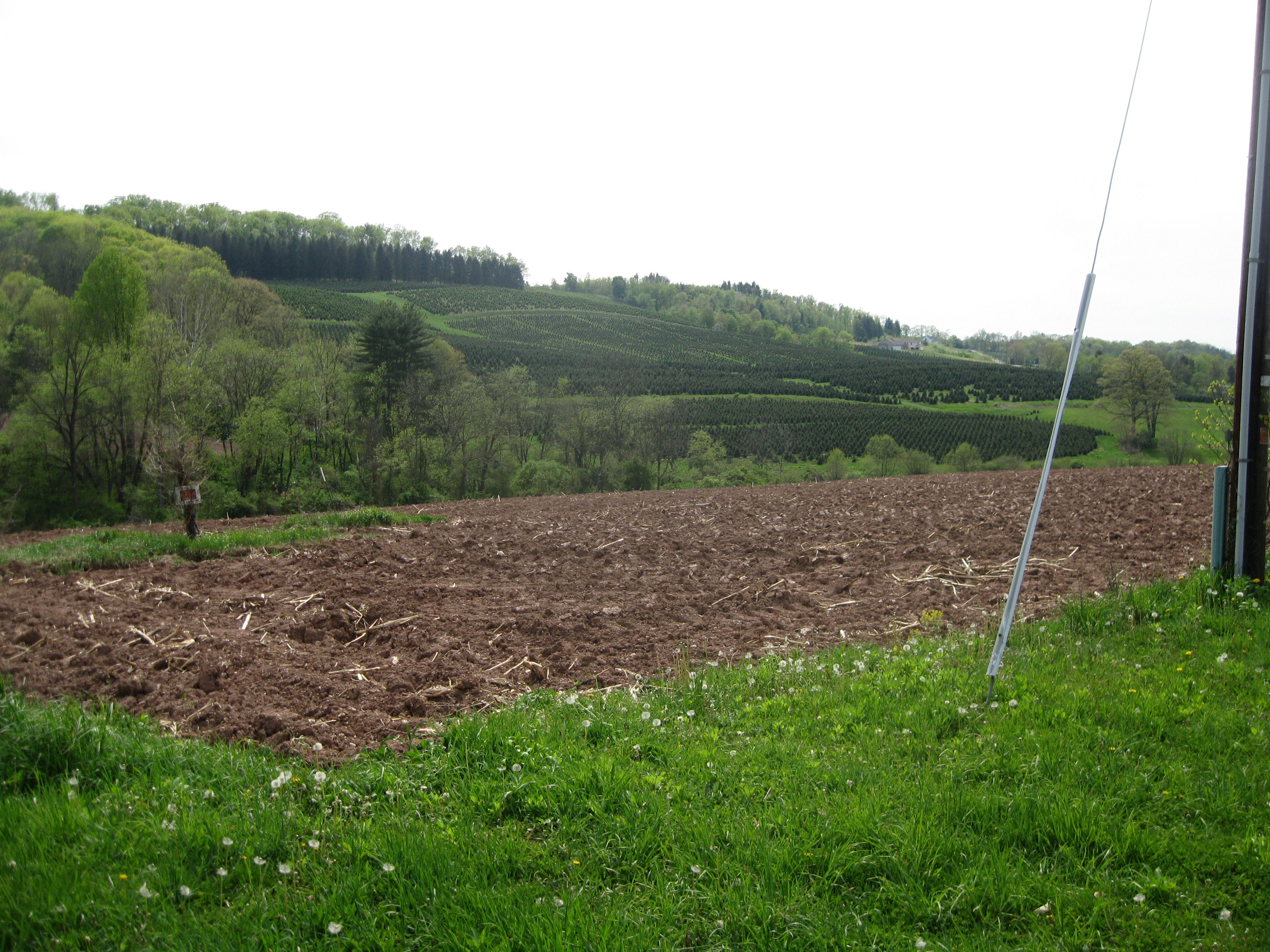
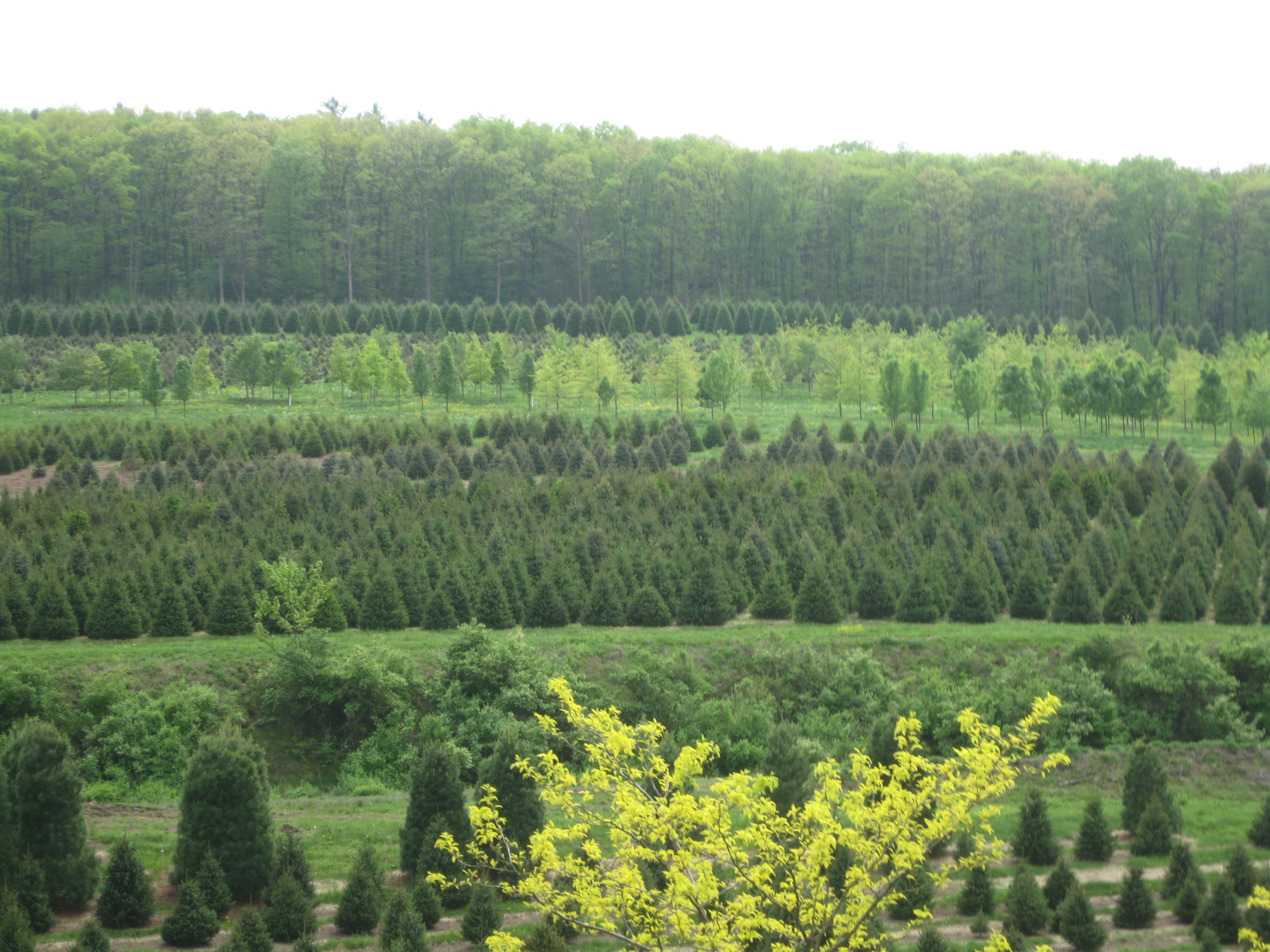
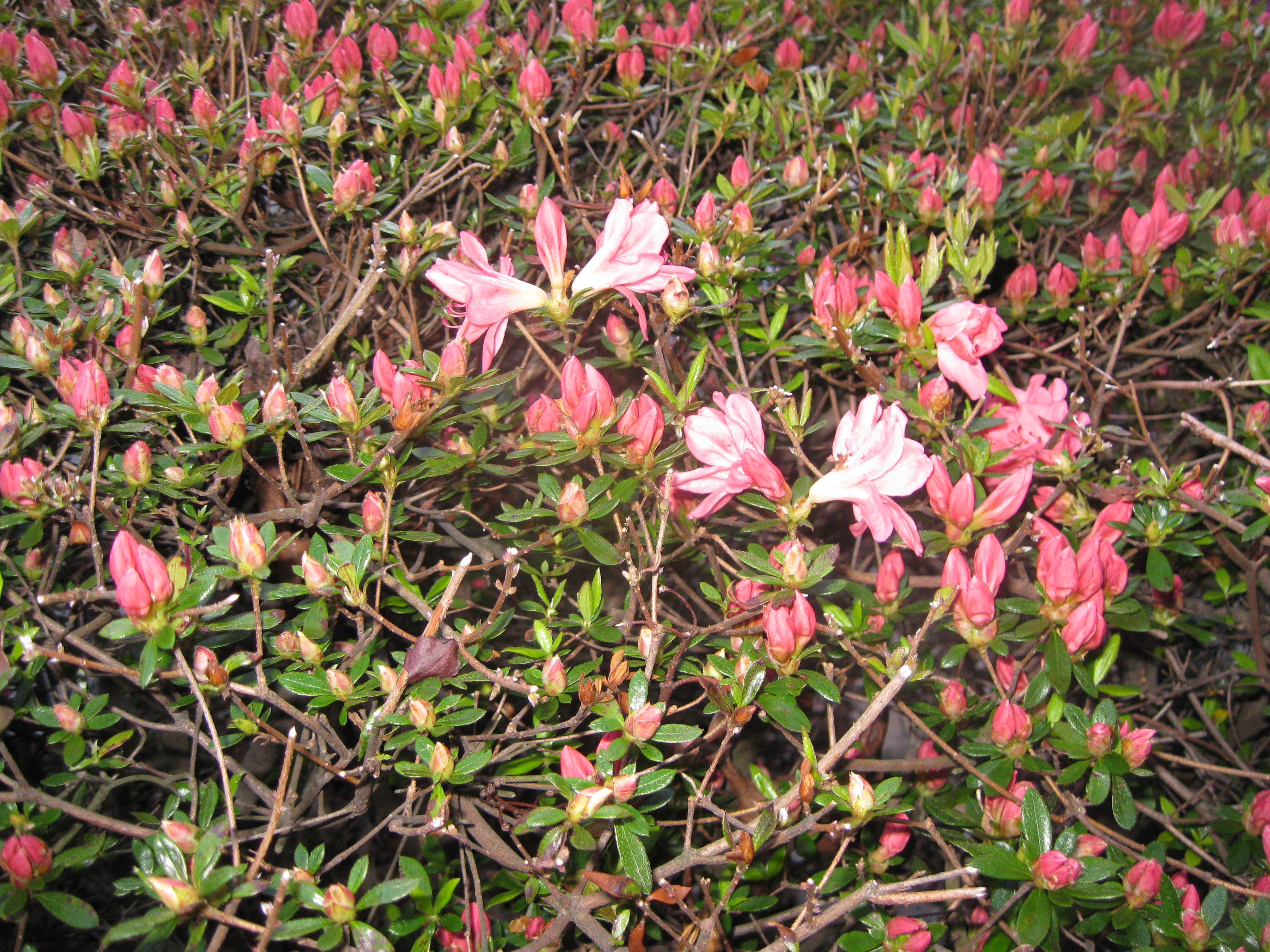
This beautiful picture gave me the kick to write this post. Let’s both do it. Go to your calendar now, check for a spot, and mark it down. Morning time, evening, weekend, whatever. You truly have 20 minutes, I know it. Go ahead, I’ll wait. We both know-once you mark it down-it’s quite likely to happen.
With this time, you can allow yourself the experience of a guided prayer walk, using some, or all of the guidelines I’ll lay out below. It will help create a place in your heart to experience the presence of God within and around you. It’s really the perfect Rx for the spring season.
Some suggestions for your walk time:
Items to bring along-
– Comfortable, durable, Shoes
-(if needed) Sunscreen/basic first aid kit
-Water
-Snack
-Notepad and pen
-Camera
(Some of you may want to bring a Bible. If you feel this is important, I am suggesting that you read Scripture before you go on this walk, and if you’d like, bring along a passage, or verse that is on your heart.)
First, allow yourself to acclimate to your environment. Notice your surroundings. Walk deliberately, and also wait, sit or rest, once in a while, and take in your surroundings. Put hurrying aside.
Second, as issues, or chatter run through your mind, push them gently aside, or if they are quite intrusive, jot them down, and give yourself permission to think of them, at another time. (You may may find it helpful to briefly lift those things to God in prayer, and purposefully “hand them over,” before you continue your walk.)
Third, continue until you feel like you’d like to find a comfortable place to sit, or rest, for a little while. The jot down something about your surroundings, and associations that may come to mind about God, and God’s character. Note your response to God, or his creation. Or, record other thoughts you feel are meaningful, or maybe things you would like to explore further, at some point.
Fourth, enter into a time of prayer. It can be any length of time. This is a time of conversation, and also worship. Worship involves adoration of God. Speak, but also listen.
Fifth, be where you are.
Sixth, Continue your journey until you are ready for it’s conclusion. During this time, you may want to spend more time in prayer, engage in vigorous exercise (walk at a rapid pace, for instance), gaze appreciatively at nature, or sit in quiet, or a bit of each. It’s a free-play, or freeform period of the hike/walk, where you can have all the freedom to enjoy it in the way which makes the most sense for where you are right now in your life. Sense God’s love for you, and his delight in you. If you cannot, ask him for the grace to do so. Forgive others, and forgive yourself.
Seventh, when done, offer a brief prayer of thanksgiving, and accept God’s grace. Receive from God. After a few minutes, write down noteworthy thoughts, experiences, ideas, sensations, or insights that happened along the way, or during your prayers.
Eighth, Later, share some, or all, of your notes with at least one other person.
You may want to walk with another friend, a spouse, or in a small group etc.
How rewarding this is!
For this, I suggest that a period of prayerful silence be observed during the whole time,
and conversations between people be postponed until after the walk is through.
Group discussion after the walk may prove very fruitful.
If you give this a try, I’d love to hear how this goes.
Will you please share your experience here?
(Photos you’ve taken can be sent to ovationeneterprises (at) verizon (dot) net)
They say if you can’t preach on Easter, you just can’t preach!
This being Good Friday- it’s a downer day, of course. IT’s supposed to be. It’s supposed to be reflective. Sober. Pensive. Mindful.
Everything changes on Sunday. Easter Sunday was the one time my tiny chapel congregation sang with some pep. “Up from the grave he arose!” The tempo would get close to 4/4 time. The dirge-like hymns turned positive, and had some spark. (We were about as non-charismatic as a church could be, but on Easter Sunday, I’m pretty sure I could heard a clap or two of exuberance.)
This Sunday-Let’s PARTY! Let’s remember this is our joy, God’s glory! Death is defeated, forgiveness and pardon is complete.
It might even be time for a fantastical drawing. You like?